
Epoxy Flooring Lead Generation: How Coating Companies Book Garage Floor Jobs From Meta Ads
How epoxy and concrete coating companies use Meta ads, a qualifying form and fast follow-up to book garage floor and basement jobs.
Read the article →
Most franchisors recruit owners through brokers and franchise portals. Both can work, and both are expensive per signed deal. Broker fees can take a big share of each franchise fee, and portal leads are shown every other brand on the page. Search is different. When someone types "dessert franchise" or "fitness franchise cost" into Google, they are looking for a brand to buy into, and the brand that ranks gets the first conversation.
Here is how to build franchise recruitment SEO that brings in qualified candidates, separate from the local SEO that drives customers to your locations.
Franchise buyers search in stages. Build content for each one.
Start with the category term. Ben L. at Fuwa Fuwa Pancakes ranks for "Dessert Franchise", and says that ranking brings them tons of new franchisees. They went from 3 retail locations to 39 in just under 12 months using our franchise SEO strategy.
Many brands bury recruitment on a single "Own a Franchise" page inside the consumer site. One page cannot rank for dozens of terms. Build a dedicated section, either a subfolder such as /franchise or a separate domain, with:
Franchise sales are regulated, and your website counts as sales material. In the US, the FTC Franchise Rule governs your Franchise Disclosure Document, and several states add registration and advertising filing rules on top. In Canada, provinces including Ontario, Alberta and British Columbia have their own franchise disclosure laws.
Compliant pages rank just as well as aggressive ones. Search engines reward depth and usefulness, not income promises.
Articles support the hub. Write the pieces a serious candidate reads in the months before they sign:
Link each article to the hub and the investment page. Internal links pass authority toward the category page you most want to rank.
Category franchise terms are competitive, and links decide much of the ranking. Strong sources include franchise trade publications, franchise rankings and lists, local news when a new location opens, industry associations, supplier case studies and podcast interviews with your founder. Every grand opening is a press story and a link opportunity. Plan for it before the ribbon cutting, not after.
Ranking brings volume. The inquiry form decides how much of it your development team actually talks to. Ask:
Set your liquidity minimum in the form logic. Candidates below it get an educational email sequence, not a sales call. Candidates above it get a call within the hour and an intro call booked on the spot. A candidate who waits two days for a reply has usually filled out three other brands' forms by then.
Measure recruitment SEO by signed agreements, not traffic. Track monthly:
If inquiries are strong but few meet your minimum, put the investment range higher on the hub page. If qualified candidates stall after receiving the disclosure document, look at how quickly your team follows up and how well validation calls are organized.
Our SEO program builds and ranks franchise opportunity sites: keyword mapping, hub, investment, process and territory pages, candidate content, link building and monthly ranking reports, with a dedicated SEO manager. It is backed by our 3-month results guarantee. We work alongside your franchise attorney so every page stays compliant.
Book a free Scale-Up Session. We will check where you rank for your category franchise terms today, look at what portals and competitors own, and map out the pages and links that put your brand in front of serious candidates.
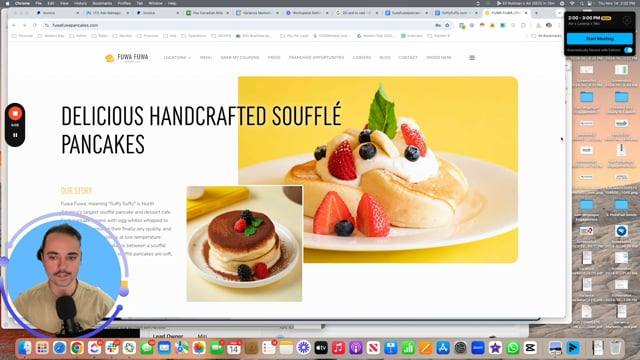
“We went from 3 retail locations to 39 retail locations in just under 12 months using Avi's franchise SEO strategy. If you Google "Dessert Franchise" you will see us ranking, that brings…”
How epoxy and concrete coating companies use Meta ads, a qualifying form and fast follow-up to book garage floor and basement jobs.
Read the article →
A practical system for loan officers, agents and brokers: paid social, a funnel that qualifies, callbacks in minutes, and SEO and referrals underneath.
Read the article →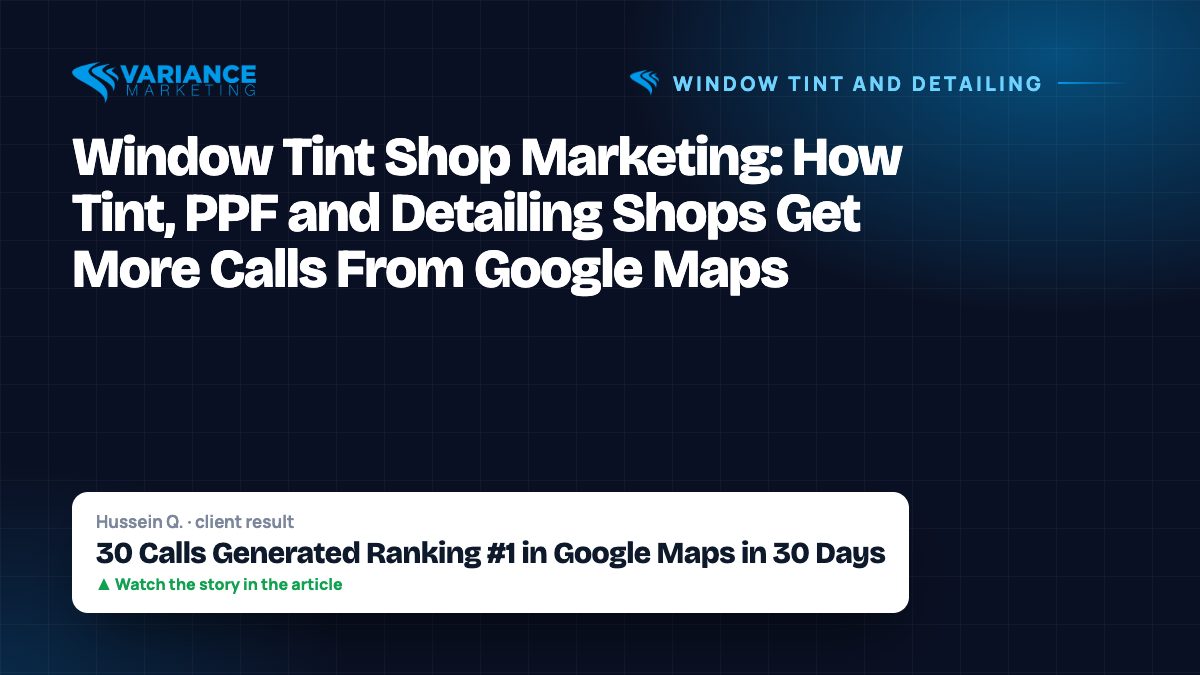
How window tint, PPF and detailing shops climb into the Google Maps top three and turn map views into booked appointments.
Read the article →Book a Scale-Up Session. We look at your numbers, show you the plan, and tell you straight if we can help. We only take clients we are 100% sure we can get results for.
Book a Scale-Up Session → 4.9★★★★★82 Google reviews Or call +1 (786) 798-8817 · info@variancemarketing.com